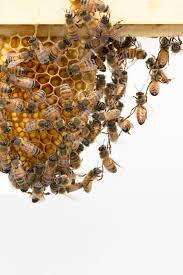
Bee behavior in handling refers to understanding how bees naturally act and respond so that beekeepers can manage colonies safely and effectively. Bees are generally defensive—not aggressive—and react mainly to protect their hive. Their behavior is influenced by factors such as weather, nectar flow, colony strength, queen condition, and disturbances. Calm bees tend to occur during warm, sunny days with abundant nectar, while bees become more defensive during cold, windy weather, during dearth periods, or when the hive is mishandled. When handling bees, smooth and slow movements, proper use of smoke, avoiding strong scents, and working during favorable weather help keep bees calm. Recognizing signs of agitation—such as increased buzzing, head-butting, or bees flying at the face—allows the handler to adjust techniques. Understanding these behavioral patterns helps reduce stings, maintain colony health, and ensure safe and productive beekeeping.
- Teacher: VINCENT SABULEI
- Teacher: JACKSON YATOR