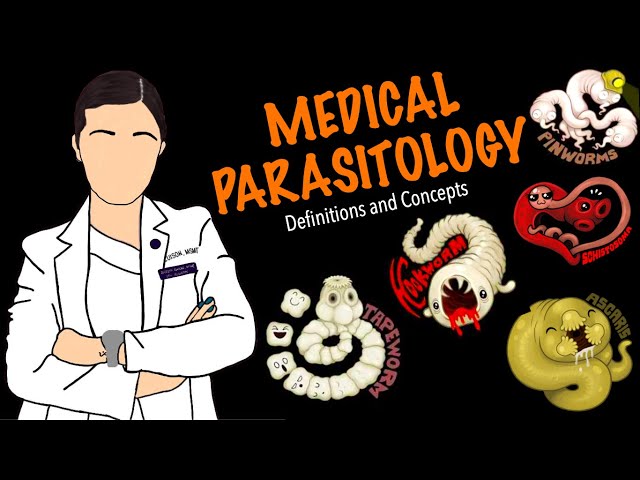
Medical parasitology is the study of parasites that infect humans, the diseases they cause, and how these infections are diagnosed, treated, and prevented. It focuses on three major groups of parasites: protozoa (such as Plasmodium causing malaria and Entamoeba causing amoebiasis), helminths or worms (including roundworms, tapeworms, and flukes), and ectoparasites like lice and ticks. Parasites spread through routes such as contaminated food and water, insect vectors, skin penetration, and undercooked meat. They commonly cause gastrointestinal illness, anemia, organ damage, and sometimes life-threatening systemic disease. Diagnosis involves microscopy, antigen tests, and imaging, while treatment depends on specific drugs such as albendazole, praziquantel, and antimalarial therapies. Prevention relies on hygiene, clean water, vector control, proper food handling, and health education.
- Teacher: JARED LAGAT
- Teacher: VINCENT SABULEI